
Structured Cabling vs Traditional Cabling Systems
Cabling is a fundamental part of any IT infrastructure because it connects all devices, systems, and networks within a business. However, not all cabling systems are the same. The two main approaches are structured cabling and traditional (or point-to-point) cabling systems.
Understanding the difference between these two approaches is important for businesses that want to improve efficiency, reduce downtime, and support long-term growth. In modern digital environments, structured cabling has become the preferred standard, especially as organizations continue their digital transformation journey, where technology is integrated across all operations to improve performance and competitiveness. Digital Transformation
1. What Is Structured Cabling?
Structured cabling is a standardized and organized system of cables and network components designed to support all communication and data needs within a building or organization.
It follows a clear architecture that connects all devices through centralized points such as patch panels, switches, and distribution frames. This makes the network easier to manage, scale, and maintain.
Structured cabling is widely used in modern IT environments because it supports high performance, flexibility, and future expansion.
2. What Is Traditional Cabling?
Traditional cabling, also known as point-to-point cabling, is a less organized method where each device is directly connected to another using individual cables.
In this system, there is no standardized structure or central management point. Each connection is created separately, often leading to a messy and complex wiring setup.
While it may work for very small setups, traditional cabling becomes difficult to manage as the business grows.
3. System Organization and Structure
One of the biggest differences between structured and traditional cabling is organization.
Structured cabling is neatly arranged, labeled, and standardized, making it easy to identify and manage connections.
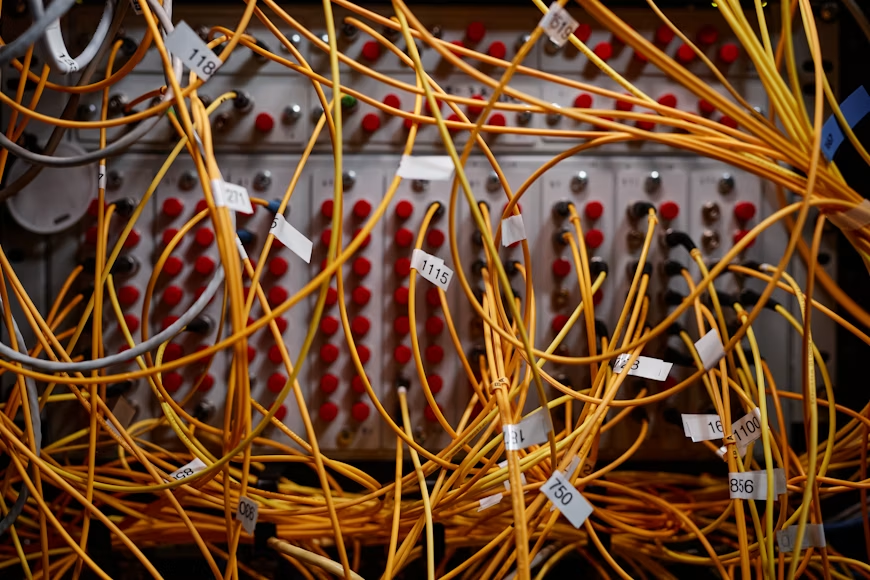
Traditional cabling, on the other hand, often results in tangled wires, unclear connections, and disorganized setups.
This lack of structure makes troubleshooting and upgrades much more difficult in traditional systems.
4. Performance and Reliability
Structured cabling offers more stable and reliable network performance. Because it uses standardized components and organized pathways, data transmission is more efficient and less prone to interference.
Traditional cabling systems may suffer from inconsistent performance due to poor cable management and lack of standardization.
As businesses grow and data demands increase, structured systems provide far better reliability.
5. Scalability and Expansion
Scalability is one of the most important advantages of structured cabling.
Businesses can easily add new devices, users, or systems without redesigning the entire network.
In contrast, traditional cabling systems are difficult to expand. Adding new connections often requires rerouting or replacing existing cables, which can be time-consuming and disruptive.
Structured cabling is therefore better suited for growing businesses.
6. Maintenance and Troubleshooting
Maintenance is much simpler in structured cabling systems because all cables are organized and clearly labeled.
Technicians can quickly identify issues and make repairs without disrupting the entire network.
In traditional cabling systems, troubleshooting is more difficult because cables are often tangled and poorly documented.
This leads to longer downtime and higher maintenance costs.
7. Cost Efficiency Over Time
Traditional cabling may seem cheaper initially because it requires less planning and design.
However, over time, it becomes more expensive due to frequent repairs, inefficiencies, and lack of scalability.
Structured cabling requires a higher initial investment but reduces long-term costs through easier maintenance, fewer disruptions, and better performance.
It is a more cost-effective solution in the long run.
8. Support for Modern Technology
Structured cabling is designed to support modern technologies such as cloud computing, VoIP systems, video conferencing, and advanced networking solutions. Cloud Computing
Traditional cabling systems often struggle to support these technologies efficiently due to limitations in speed, organization, and compatibility.
As businesses adopt more digital tools, structured cabling becomes essential for ensuring smooth system integration.
9. Flexibility and Future-Proofing
Structured cabling provides a future-ready infrastructure that can adapt to new technologies and business needs.
It allows businesses to upgrade systems without major rewiring or disruptions.
Traditional cabling systems are less flexible and often require complete redesigns when changes are needed.
This makes structured cabling a more sustainable long-term solution.
10. Business Efficiency and Productivity
A well-organized structured cabling system improves overall business efficiency by reducing network issues, improving communication speed, and minimizing downtime.
Employees can work more effectively when systems are stable and reliable.
Traditional cabling systems often cause delays and interruptions, which reduce productivity and increase frustration.
Conclusion
Structured cabling and traditional cabling systems differ significantly in terms of organization, performance, scalability, and long-term value.
While traditional cabling may still exist in very small or outdated setups, structured cabling is the modern standard for businesses that want reliable, scalable, and efficient IT infrastructure.
As part of digital transformation, structured cabling supports advanced technologies and ensures that all systems work together seamlessly. Digital Transformation
Ultimately, structured cabling is the preferred choice for businesses aiming for growth, efficiency, and long-term technological success.