
Careers in Waste Management and Recycling
Waste management and recycling are often overlooked sectors, yet they play a critical role in maintaining public health, protecting the environment, and supporting sustainable development. As cities grow and consumption increases, the amount of waste produced by households, businesses, and industries continues to rise. This creates a strong demand for skilled workers who can manage, collect, process, and recycle waste effectively.
In South Africa and many other countries, the waste management industry is expanding due to environmental regulations, sustainability goals, and increased awareness of climate change. What was once seen as “manual work” is now becoming a structured industry with a wide range of career opportunities, from field labour roles to technical and managerial positions.
This article explores careers in waste management and recycling, the skills required, and the opportunities available for job seekers interested in this essential sector.
Understanding Waste Management and Recycling
Waste management refers to the collection, transportation, processing, recycling, and disposal of waste materials. Recycling is the process of converting waste materials into reusable products.
Together, they aim to:
- Reduce pollution
- Protect the environment
- Conserve natural resources
- Improve public health
- Promote sustainability
Waste management is not just about cleaning cities—it is a structured industry that supports economic development and environmental protection.
Why Waste Management Careers Are Important
Waste management is essential for maintaining clean and healthy communities.
The importance of the sector includes:
1. Environmental Protection
Proper waste disposal reduces pollution in land, water, and air.
2. Public Health
Poor waste management can lead to diseases and unsafe living conditions.
3. Resource Conservation
Recycling helps reuse materials such as plastic, glass, and metal.
4. Job Creation
The industry creates employment for thousands of people at different skill levels.
5. Economic Value
Recycled materials can be reused in manufacturing, creating economic opportunities.
Career Opportunities in Waste Management and Recycling
The waste management sector offers a wide variety of careers, from entry-level jobs to technical and managerial roles.
1. Waste Collector
Waste collectors are responsible for gathering waste from homes, businesses, and public areas.
Duties include:
- Collecting household and commercial waste
- Loading waste into trucks
- Maintaining cleanliness in public spaces
- Following collection schedules
Skills required:
- Physical fitness
- Time management
- Reliability
- Teamwork
This is often an entry-level role in the industry.
2. Recycling Worker
Recycling workers sort and process recyclable materials.
Responsibilities include:
- Separating waste materials (plastic, glass, metal, paper)
- Operating sorting equipment
- Cleaning and preparing materials for recycling
- Ensuring quality control
Why it matters
Recycling workers help reduce landfill waste and support sustainability efforts.
3. Waste Truck Driver
Drivers transport waste between collection points and disposal sites.
Duties include:
- Driving waste collection trucks
- Ensuring safe transportation of waste
- Following routes and schedules
- Maintaining vehicle safety
Requirements:
- Valid driver’s license (often Code C or higher)
- Clean driving record
- Knowledge of safety procedures
4. Landfill Operator
Landfill operators manage waste disposal sites.
Responsibilities include:
- Controlling waste dumping areas
- Managing landfill operations
- Monitoring environmental compliance
- Operating machinery
Importance
They ensure waste is disposed of safely and legally.
5. Environmental Health Officer
Environmental health officers ensure waste management practices meet health and safety standards.
Duties include:
- Inspecting waste sites
- Enforcing regulations
- Investigating environmental hazards
- Educating communities
Skills required:
- Knowledge of environmental laws
- Analytical thinking
- Communication skills
6. Recycling Plant Operator
These professionals work in facilities that process recyclable materials.
Responsibilities include:
- Operating recycling machinery
- Monitoring production processes
- Maintaining equipment
- Ensuring safety compliance
Industry growth
Recycling plants are becoming more common as demand for sustainable solutions increases.
7. Waste Management Supervisor
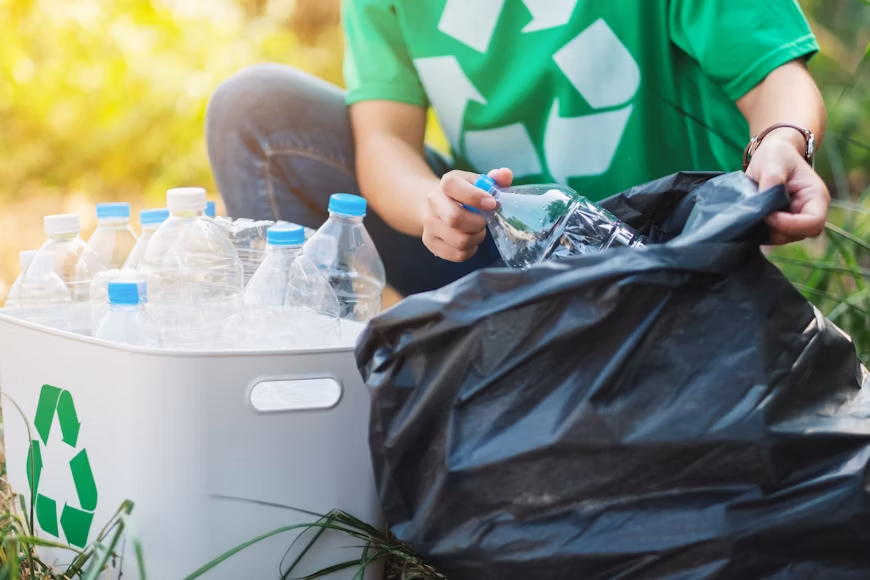
Supervisors oversee teams of workers in waste collection or recycling operations.
Duties include:
- Managing staff
- Assigning tasks
- Ensuring productivity
- Monitoring safety compliance
Skills required:
- Leadership
- Communication
- Problem-solving
8. Environmental Scientist
Environmental scientists study the impact of waste on ecosystems.
Responsibilities include:
- Conducting research
- Analyzing environmental data
- Developing sustainability solutions
- Advising governments or companies
Education required
This role typically requires a degree in environmental science or related fields.
9. Recycling Program Coordinator
These professionals design and manage recycling initiatives.
Duties include:
- Planning recycling programs
- Educating communities
- Working with municipalities
- Monitoring program success
Importance
They help improve recycling rates and reduce landfill waste.
10. Waste Management Engineer
Engineers design systems for efficient waste collection and disposal.
Responsibilities include:
- Designing waste facilities
- Developing recycling technologies
- Improving waste processing systems
- Ensuring environmental compliance
Skills Needed in Waste Management Careers
Although roles vary, several skills are important across the industry:
Physical Fitness
Many roles involve manual labour and outdoor work.
Attention to Detail
Proper sorting and handling of waste is essential.
Teamwork
Most waste management work is done in teams.
Environmental Awareness
Understanding environmental impact is important.
Safety Awareness
Strict safety procedures must always be followed.
Education and Training Requirements
Different roles require different levels of education.
Entry-Level Jobs
- No formal qualifications required in some cases
- On-the-job training provided
Skilled Roles
- Matric certificate often required
- Driver’s license for transport roles
Technical and Professional Roles
- TVET college qualifications
- University degrees (environmental science, engineering)
- Certifications in waste management
Working Conditions in Waste Management
Waste management work can be physically demanding.
Common conditions include:
- Outdoor work in all weather conditions
- Early morning shifts
- Exposure to waste materials
- Safety gear requirements
Despite these challenges, the industry offers stable employment and growth opportunities.
Challenges in the Waste Management Industry
The sector faces several challenges:
1. Increasing Waste Volumes
Urban growth leads to more waste production.
2. Illegal Dumping
Some areas struggle with unmanaged waste disposal.
3. Limited Recycling Awareness
Not all communities actively recycle.
4. Infrastructure Limitations
Some regions lack proper waste facilities.
These challenges also create opportunities for innovation and job creation.
Opportunities for Growth in the Industry
The waste management sector is evolving.
Future opportunities include:
- Green jobs in recycling technology
- Sustainable packaging industries
- Waste-to-energy projects
- Environmental consulting services
- Smart waste management systems
The industry is moving toward more advanced and sustainable solutions.
How to Start a Career in Waste Management
If you are interested in this field, you can start by:
1. Applying for Entry-Level Jobs
Look for positions such as waste collector or recycling assistant.
2. Gaining Experience
Practical experience is highly valued.
3. Getting a Driver’s License
This can open more job opportunities.
4. Studying Environmental Courses
TVET colleges and universities offer relevant programmes.
5. Joining Municipal Programs
Local municipalities often hire waste management workers.
Final Thoughts
Careers in waste management and recycling are essential for building clean, healthy, and sustainable communities. While often overlooked, this industry offers a wide range of job opportunities for both entry-level workers and highly skilled professionals.
From waste collectors and recycling workers to engineers and environmental scientists, the sector provides pathways for career growth, stability, and long-term development. As environmental concerns continue to grow, the demand for skilled workers in waste management will only increase.
For job seekers in South Africa, this industry represents a practical and reliable career path with opportunities for advancement and skill development. It is a field where hard work, discipline, and environmental responsibility can lead to meaningful employment and long-term career success.