
How to Improve Server Room Efficiency
A server room is one of the most important components of an organization’s IT infrastructure. It houses critical equipment such as servers, networking devices, storage systems, and communication hardware that support daily business operations. As businesses become increasingly dependent on technology, maintaining an efficient server room is essential for ensuring reliability, performance, security, and cost-effectiveness.
Server room efficiency involves optimizing power usage, cooling systems, equipment organization, security measures, and maintenance processes to maximize performance while minimizing operational costs. In today’s digital environment, efficient server rooms support digital transformation by providing the reliable infrastructure needed for modern business operations. Digital Transformation
Below are some of the most effective ways to improve server room efficiency.
1. Optimize Cooling and Temperature Management
One of the biggest challenges in any server room is heat management. Servers and networking equipment generate significant amounts of heat, which can reduce performance and shorten equipment lifespan if not properly controlled.
Businesses should implement:
- Efficient air conditioning systems
- Hot aisle and cold aisle configurations
- Temperature monitoring sensors
- Proper airflow management
- Ventilated server racks
Maintaining the correct temperature helps improve equipment reliability and reduces the risk of unexpected failures.
2. Improve Server Room Layout and Organization
A well-organized server room is easier to manage and maintain.
Best practices include:
- Proper rack placement
- Clearly labeled equipment
- Organized cable management
- Sufficient space between racks
- Dedicated equipment zones
Good organization improves airflow, simplifies maintenance, and reduces troubleshooting time.
A clutter-free environment also lowers the risk of accidental damage.
3. Implement Effective Cable Management
Poor cable management can negatively impact airflow, maintenance, and system reliability.
Businesses should:
- Use cable trays and organizers
- Label all cables clearly
- Separate power and data cables
- Remove unused cables
- Maintain accurate documentation
Structured cabling systems improve efficiency and make future upgrades easier.
Well-managed cabling also reduces the likelihood of connection errors.
4. Monitor Power Usage
Power consumption is one of the largest operating costs in a server room.
Businesses can improve efficiency by:
- Monitoring energy usage
- Using energy-efficient equipment
- Installing smart power distribution units (PDUs)
- Identifying and eliminating power waste
Regular power audits help identify opportunities to reduce electricity costs without compromising performance.
5. Upgrade to Energy-Efficient Equipment
Modern servers and networking devices are significantly more energy-efficient than older systems.
Replacing outdated equipment can provide benefits such as:
- Lower electricity consumption
- Reduced cooling requirements
- Improved performance
- Better reliability
Investing in modern hardware often results in long-term operational savings.
6. Virtualize Server Resources
Server virtualization allows multiple virtual servers to run on a single physical machine.
Benefits include:
- Reduced hardware requirements
- Lower energy consumption
- Better resource utilization
- Simplified management
- Improved scalability
Virtualization enables businesses to maximize the value of their infrastructure while reducing physical space requirements.
7. Utilize Cloud Services Where Appropriate
Many businesses can improve server room efficiency by moving certain workloads to cloud platforms. Cloud Computing
Cloud solutions can reduce the need for:
- Additional physical servers
- Storage equipment
- Backup infrastructure
- On-site maintenance
A hybrid approach that combines local infrastructure with cloud services often delivers the best balance of performance and efficiency.
8. Implement Environmental Monitoring Systems
Continuous monitoring helps ensure that server room conditions remain optimal.
Monitoring systems should track:
- Temperature
- Humidity
- Airflow
- Power consumption
- Water leaks
- Smoke detection
Real-time alerts allow IT teams to respond quickly before minor issues become major problems.
9. Strengthen Preventive Maintenance Programs
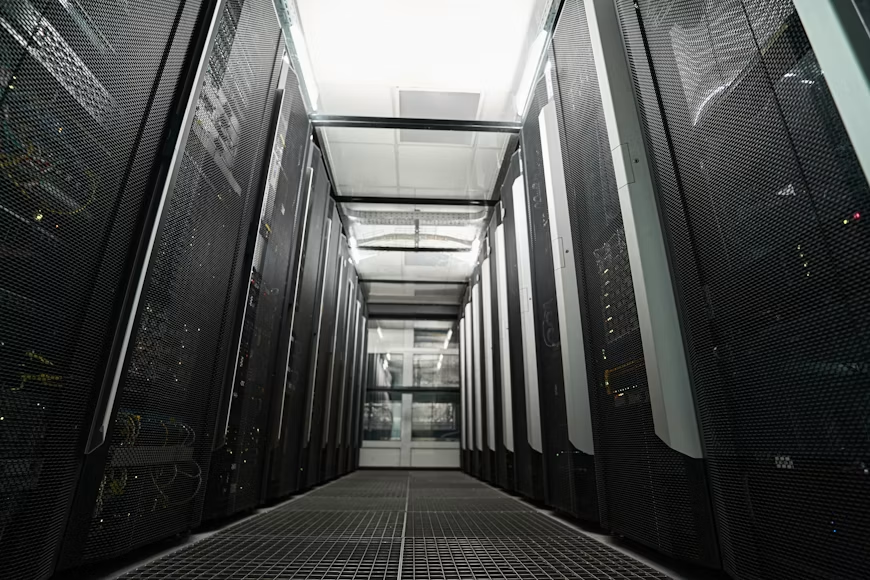
Regular maintenance is essential for maintaining efficiency and preventing unexpected failures.
Preventive maintenance activities include:
- Cleaning equipment
- Testing backup systems
- Updating firmware
- Inspecting power systems
- Verifying cooling performance
Scheduled maintenance helps extend equipment lifespan and improve overall reliability.
10. Improve Physical Security
Security contributes to efficiency by protecting critical equipment from unauthorized access and accidental damage.
Security measures should include:
- Access control systems
- CCTV monitoring
- Visitor management procedures
- Locked server cabinets
- Alarm systems
Protecting infrastructure reduces the risk of operational disruptions and security incidents.
11. Implement Redundancy for Critical Systems
Efficient server rooms are designed to remain operational even if a component fails.
Common redundancy measures include:
- Backup power supplies
- Uninterruptible Power Supplies (UPS)
- Redundant network connections
- Backup cooling systems
- Failover servers
Redundancy improves business continuity and minimizes downtime.
12. Monitor and Analyze Performance Metrics
Performance monitoring helps businesses identify inefficiencies and opportunities for improvement.
Important metrics include:
- Server utilization
- Power usage effectiveness (PUE)
- Network performance
- Storage utilization
- Cooling efficiency
Regular analysis allows businesses to optimize resources and improve operational efficiency.
13. Train IT Staff on Best Practices
Well-trained personnel play an important role in maintaining an efficient server room.
Training should cover:
- Equipment management
- Security procedures
- Emergency response plans
- Maintenance protocols
- Energy efficiency practices
Knowledgeable staff can identify issues early and implement solutions effectively.
14. Develop Disaster Recovery and Business Continuity Plans
Unexpected events such as power outages, hardware failures, or cyberattacks can impact server room operations.
Businesses should have documented plans for:
- Data backup and recovery
- Emergency response
- Equipment replacement
- Alternative operational sites
- Communication procedures
Preparedness helps minimize disruptions and ensures faster recovery.
Conclusion
Improving server room efficiency requires a combination of proper planning, modern technology, effective cooling, energy management, security, and ongoing maintenance. By optimizing these areas, businesses can reduce operational costs, improve reliability, and maximize the performance of their IT infrastructure.
As organizations continue their digital transformation initiatives, efficient server rooms provide the stable foundation required to support critical applications, communication systems, and data management processes. Digital Transformation
Businesses that invest in server room efficiency benefit from improved uptime, lower costs, better security, and stronger overall IT performance, helping them remain competitive in an increasingly technology-driven world.