

What Is a Data Centre?
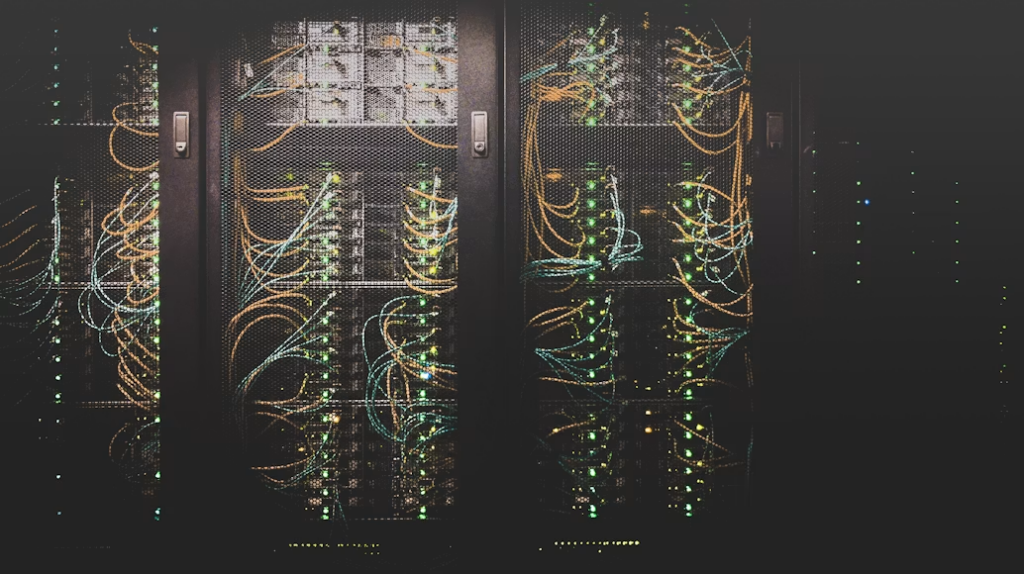
In today’s digital age, the term data centre is central to understanding how the internet, cloud computing, and various digital services operate. But what exactly is a data centre? Simply put, a data centre is a physical facility that organizations use to house their critical applications and data. It is the heart of modern IT infrastructure, providing a secure, controlled, and reliable environment for servers, storage systems, networking equipment, and other essential computing resources.
The Role of a Data Centre
A data centre functions as a centralized hub where vast amounts of data are stored, processed, and distributed. Whether it is streaming your favorite movie, sending an email, or conducting an online transaction, data centres are working behind the scenes to ensure these digital activities happen smoothly and efficiently.
Organizations, ranging from small businesses to multinational corporations and government agencies, depend on data centres to support a wide variety of IT functions. These include hosting websites, managing cloud services, running enterprise applications, backing up data, and enabling disaster recovery solutions.
Key Components of a Data Centre
A typical data centre consists of several critical components that work in harmony to maintain operational integrity and performance:
- Servers: These powerful computers run applications and store data. They are the core units in a data centre.
- Storage Systems: Devices that save large volumes of data, such as hard drives and solid-state drives, often arranged in redundant arrays for reliability.
- Networking Equipment: Routers, switches, and firewalls connect servers to each other and to external networks like the internet, ensuring data flows quickly and securely.
- Power Supply: Uninterruptible Power Supplies (UPS), backup generators, and power distribution units ensure continuous electrical power, even during outages.
- Cooling Systems: Data centres generate significant heat, so advanced cooling technologies, such as air conditioning units and liquid cooling, are essential to prevent overheating.
- Security Measures: Physical security includes biometric scanners, security cameras, and controlled access points. Cybersecurity protocols protect against digital threats.
Types of Data Centres
Data centres vary in size, design, and purpose. The main types include:
- Enterprise Data Centres: Owned and operated by individual companies, these centres serve the internal IT needs of a business.
- Colocation Data Centres: Facilities where multiple businesses rent space for their servers and equipment, sharing power, cooling, and security services.
- Hyperscale Data Centres: Massive data centres operated by technology giants like Google, Amazon, and Microsoft, designed to support large-scale cloud computing and storage needs.
- Edge Data Centres: Smaller facilities located near the end-users to reduce latency and improve speed for applications like IoT devices and real-time analytics.
Importance of Data Centres in Modern Society
The rapid growth of digital technologies and the internet has exponentially increased the need for efficient data centres. They are the engines powering several crucial aspects of modern life:
- Cloud Computing: Cloud platforms rely heavily on data centres to provide scalable computing resources on demand.
- E-commerce: Online shopping platforms depend on data centres to handle transactions securely and manage inventory in real-time.
- Streaming and Media: Video and music streaming services use data centres to store and deliver content to millions of users worldwide.
- Financial Services: Banks and financial institutions require data centres for secure, real-time processing of transactions.
- Healthcare: Patient records, medical imaging, and telemedicine applications rely on data centres for storage and processing.
- Government and Public Services: From census data to emergency response systems, secure data centres maintain critical government operations.
How Data Centres Ensure Reliability and Uptime
Downtime in a data centre can result in significant financial losses, reputational damage, and operational disruption. To mitigate this risk, data centres are designed with redundancy and fault-tolerance in mind:
- Redundant Power Supply: Multiple power feeds and backup generators prevent outages.
- Network Redundancy: Multiple internet service providers and network paths ensure continuous connectivity.
- Data Backup and Replication: Data is regularly copied and stored in multiple locations to prevent loss.
- Disaster Recovery Plans: Strategies and infrastructure enable quick restoration of services after unexpected events.
- Regular Maintenance and Monitoring: Continuous surveillance of equipment health and environmental conditions helps detect and fix issues early.
Energy Efficiency and Environmental Impact
Data centres consume large amounts of electricity, primarily due to their computing and cooling needs. As digital demand grows, so does the environmental footprint of data centres. To address this challenge, many operators have adopted green data centre practices:
- Use of Renewable Energy: Solar, wind, and hydroelectric power sources help reduce carbon emissions.
- Innovative Cooling Techniques: Techniques like free-air cooling and liquid immersion cooling improve efficiency.
- Energy-Efficient Hardware: Modern servers and storage devices are designed to consume less power.
- Optimized Facility Design: Intelligent layout and airflow management reduce energy waste.
Leading companies are striving to achieve carbon neutrality in their data centre operations, promoting sustainability alongside technological advancement.
The Future of Data Centres
The future of data centres is shaped by emerging technologies and evolving business needs. Some trends include:
- Edge Computing Expansion: To support IoT and faster data processing, more edge data centres will be deployed closer to users.
- AI and Automation: Artificial intelligence will enhance data centre management, automating routine tasks and optimizing resource use.
- Increased Security Measures: As cyber threats become more sophisticated, data centres will adopt advanced security solutions, including AI-based threat detection.
- Modular and Containerized Data Centres: Prefabricated, scalable modules can be rapidly deployed to meet growing demand.
- Quantum Computing Integration: Though still in early stages, quantum computing may revolutionize data processing capabilities in the future.
Conclusion
A data centre is a critical infrastructure element that powers the digital world. It is more than just a place to store servers; it is a sophisticated environment designed for reliability, security, and efficiency. As the backbone of the internet, cloud services, and countless digital applications, data centres enable modern society’s connectivity and data-driven innovation. With ongoing advancements in technology and increasing attention to sustainability, data centres will continue to evolve, supporting the ever-growing demand for fast, secure, and accessible digital services worldwide.