
Choosing the Right Structured Cabling Partner: A Comprehensive Guide
In today’s digital age, the backbone of any successful business is its network infrastructure. Structured cabling plays a crucial role in ensuring that your organization operates efficiently, securely, and with the capacity to grow. However, selecting the right structured cabling partner can be a daunting task. This article aims to break down the complexities of structured cabling, address common misconceptions, provide relevant examples, and explain why this topic is vital for businesses.
What is Structured Cabling?
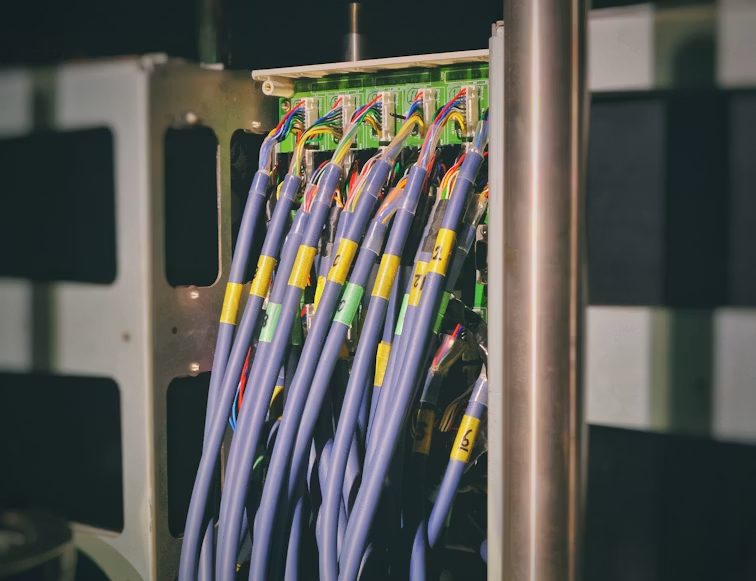
Structured cabling refers to the standardized way of installing cabling and associated hardware that supports multiple hardware uses. It is a comprehensive system of cabling and connectivity that integrates telecommunications, data, and other services. A well-designed structured cabling system can enhance the performance, reliability, and scalability of your network.
Key Components of Structured Cabling
- Cabling: The physical wires that transmit data. Common types include twisted pair cables (like Cat 5e, Cat 6, and Cat 6a) and fiber optic cables.
- Patch Panels: Devices that organize and connect incoming and outgoing cables.
- Racks and Enclosures: Structures that house networking equipment and protect it from environmental factors.
- Network Outlets: Points where devices connect to the network.
- Cable Management: Tools and techniques used to organize and maintain cables.
Why Choosing the Right Partner Matters
1. Quality of Installation
A poorly installed cabling system can lead to reduced performance, increased downtime, and higher maintenance costs. An experienced structured cabling partner will ensure that the installation adheres to industry standards and best practices, which can significantly impact the reliability of your network.
2. Scalability and Future-Proofing
As businesses grow, their networking needs evolve. A good structured cabling partner will design a system that allows for easy upgrades and expansions. This future-proofing is essential for avoiding costly overhauls down the line.
3. Cost Efficiency
While it may be tempting to go with the lowest bid, the cheapest option often leads to subpar work and hidden costs. A reputable partner will provide a transparent quote and a clear breakdown of costs, ensuring that you receive value for your investment.
4. Support and Maintenance
Post-installation support is crucial. A reliable partner will offer ongoing maintenance and troubleshooting services, ensuring that your network remains operational and efficient.
Common Misconceptions About Structured Cabling
Misconception 1: “All Cabling Solutions are the Same”
Not all cabling solutions are created equal. Different businesses have different needs based on size, industry, and future growth plans. A one-size-fits-all approach can lead to inefficiencies and increased costs.
Misconception 2: “I Can Just Use an Electrician”
While electricians are skilled in their field, structured cabling requires specialized knowledge of networking standards and practices. A dedicated structured cabling partner will have the expertise to design and implement an effective network infrastructure.
Misconception 3: “Once Installed, It’s Set for Life”
Technology evolves rapidly. A good structured cabling partner will not only install your system but also provide guidance on how to adapt to new technologies and requirements as they arise.
Key Factors to Consider When Choosing a Structured Cabling Partner
1. Experience and Reputation
Look for partners with a proven track record in structured cabling. Check their portfolio, client testimonials, and case studies to gauge their expertise.
2. Certifications and Compliance
Ensure that the partner adheres to industry standards, such as ANSI/TIA-568, and has relevant certifications (e.g., BICSI, ISO/IEC). Compliance with these standards ensures quality and reliability.
3. Customization and Flexibility
Your business is unique, and so are its networking needs. A good partner will work with you to customize solutions that fit your specific requirements.
4. Support Services
Evaluate the level of post-installation support offered. A partner that provides ongoing maintenance, troubleshooting, and upgrades will save you time and money in the long run.
5. Cost Transparency
Seek partners who provide clear, detailed quotes without hidden fees. Understanding the cost structure will help you make informed decisions.
Examples of Effective Structured Cabling Solutions
Example 1: A Growing Tech Startup
A tech startup needed a cabling solution that could support rapid growth. They partnered with a structured cabling provider that designed a modular system, allowing for easy expansion as they added new employees and devices. This foresight saved the company significant costs in future installations.
Example 2: A Manufacturing Facility
A manufacturing facility required a robust cabling solution to support IoT devices and real-time data analytics. By working with a knowledgeable partner, they implemented a fiber optic cabling system that improved data transmission speeds and reliability, significantly enhancing operational efficiency.
Conclusion
Choosing the right structured cabling partner is a critical decision that can impact your business’s efficiency, scalability, and overall success. By understanding the components of structured cabling, dispelling common misconceptions, and considering key factors when selecting a partner, businesses can make informed choices that will serve their needs today and in the future.
Investing time in selecting a knowledgeable and reliable structured cabling partner is not just a technical decision; it’s a strategic business move that can lead to significant long-term benefits.