
Common Structured Cabling Challenges: An In-Depth Explainer
Structured cabling is a vital component of modern telecommunications and data networks. It provides a standardized way to manage the cabling infrastructure that supports various communication systems, including voice, data, and video. While structured cabling offers numerous benefits, it also presents several challenges that businesses must navigate to ensure effective deployment and maintenance. This article will break down these challenges, address common misconceptions, provide relevant examples, and explain why understanding these issues is crucial for businesses.
What is Structured Cabling?
Before diving into the challenges, it’s essential to understand what structured cabling entails. Structured cabling refers to a comprehensive system of cabling and associated hardware that provides a backbone for communication networks. It consists of various components, including:
- Cabling: Twisted pair cables (like Cat5e, Cat6, Cat6a) and fiber optic cables.
- Connectors: Such as RJ45 connectors for Ethernet cables.
- Patch Panels: Central points where cables connect to network devices.
- Racks and Enclosures: Housing for network equipment and cabling.
Structured cabling systems are designed to support multiple hardware uses and are future-proofed to accommodate changes in technology.
Common Challenges in Structured Cabling
1. Planning and Design Issues
Challenge: One of the most significant challenges in structured cabling is the initial planning and design phase. Businesses often underestimate the complexity of their network requirements.
Misconception: Many believe that structured cabling is a “one-size-fits-all” solution. In reality, each business has unique needs based on factors like size, industry, and future growth.
Example: A small startup may require a simple network setup, while a large corporation might need a complex system that supports thousands of devices. Failing to account for future expansion can lead to costly upgrades down the line.
2. Installation Difficulties
Challenge: Proper installation is critical for the performance of a structured cabling system. Poor installation can result in network failures, slow speeds, and increased downtime.
Misconception: Some businesses believe that any technician can install cabling without specialized knowledge. However, structured cabling requires trained professionals who understand industry standards.
Example: An improperly terminated cable can lead to signal loss or interference, disrupting communication. Using certified installers ensures adherence to standards like TIA/EIA, which can prevent these issues.
3. Maintenance and Management
Challenge: Maintaining a structured cabling system can be challenging, especially as the network grows. Regular inspections and updates are necessary to ensure optimal performance.
Misconception: Businesses often think that once the cabling is installed, it requires little to no attention. In reality, networks evolve, and so do their requirements.
Example: As new technologies emerge, such as IoT devices, the cabling infrastructure may need upgrades to support higher bandwidth or different protocols. Regular audits can help identify areas that need improvement.
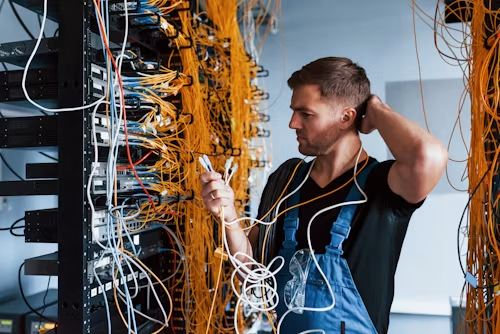
4. Cable Management
Challenge: Effective cable management is crucial for both performance and aesthetics. Disorganized cabling can lead to confusion, difficulty in troubleshooting, and potential hazards.
Misconception: Some believe that as long as cables are connected, organization is not necessary. However, poor cable management can impede airflow and increase the risk of overheating.
Example: In a server room, tangled cables can make it challenging to identify issues quickly. Implementing cable trays, labeling, and proper routing can significantly improve management.
5. Compliance and Standards
Challenge: Adhering to local and international standards is essential for structured cabling systems. Non-compliance can lead to legal issues and safety hazards.
Misconception: Many businesses think that compliance is optional or only necessary for large enterprises. In reality, all businesses must adhere to standards to ensure safety and reliability.
Example: The National Electrical Code (NEC) outlines specific requirements for cabling installations. Non-compliance can result in fines or the need for costly rework.
6. Budget Constraints
Challenge: Implementing a structured cabling system can be a significant investment. Budget constraints often limit the quality of materials and installation.
Misconception: Some businesses believe that they can save money by cutting corners on cabling. However, this can lead to long-term costs due to maintenance issues and reduced performance.
Example: Choosing lower-quality cables may save money upfront but can result in frequent failures and the need for replacements, ultimately costing more in the long run.
Why This Topic Matters to Businesses
Understanding the challenges of structured cabling is crucial for businesses for several reasons:
- Operational Efficiency: A well-designed and maintained cabling system ensures reliable communication, which is essential for day-to-day operations.
- Scalability: As businesses grow, their network needs change. A solid structured cabling foundation allows for easier upgrades and expansions.
- Cost Management: By recognizing potential challenges early, businesses can allocate resources effectively, avoiding unexpected expenses related to network failures or upgrades.
- Compliance and Safety: Adhering to industry standards not only ensures legal compliance but also enhances the safety of the workplace.
- Future-Proofing: Understanding current and future technology trends helps businesses make informed decisions about their cabling infrastructure, ensuring longevity and relevance.
Conclusion
Structured cabling is a critical aspect of modern business infrastructure. While it offers numerous benefits, understanding the common challenges is essential for successful implementation and maintenance. By addressing these issues proactively, businesses can ensure efficient communication, scalability, and compliance, ultimately leading to improved operational performance and reduced costs. Investing time and resources into a robust structured cabling system is a strategic decision that can pay dividends for years to come.