The Benefits of Fibre Optic Connectivity: An In-Depth Explainer
In today’s fast-paced digital world, connectivity is crucial for businesses of all sizes. One of the most significant advancements in communication technology has been the development of fibre optic connectivity. This article will break down the complex concept of fibre optics, address common misconceptions, and explain its importance to businesses.
What is Fibre Optic Connectivity?
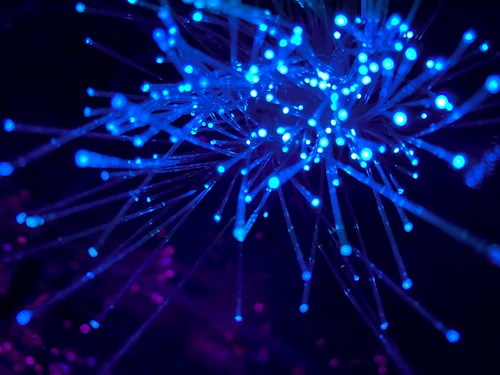
Fibre optic connectivity refers to the use of fibre optic cables to transmit data. These cables are made of thin strands of glass or plastic that transmit light signals over long distances. The core of the fibre optic cable carries the light signals, while the cladding reflects the light back into the core, allowing for minimal loss of data.
How Does Fibre Optic Technology Work?
- Transmission of Light: Data is converted into light signals using a transmitter. These light signals travel through the fibre optic cables at incredibly high speeds.
- Total Internal Reflection: The design of the fibre optic cables allows the light to bounce within the core due to total internal reflection, which keeps the signal strong over long distances.
- Receiving the Signal: At the destination, a receiver converts the light signals back into electrical signals, which can be interpreted by computers and other devices.
Key Benefits of Fibre Optic Connectivity
1. High-Speed Data Transmission
Fibre optic cables can transmit data at speeds much faster than traditional copper cables. This is primarily due to the speed of light, which allows for data transfer rates that can exceed 1 Gbps (Gigabit per second) and can even reach up to 100 Gbps in some cases.
Example: Businesses that rely on large data transfers, such as video streaming services or cloud computing providers, benefit significantly from the high-speed capabilities of fibre optics.
2. Greater Bandwidth Capacity
Fibre optic technology offers a much larger bandwidth compared to copper cables. This means that more data can be transmitted simultaneously, which is crucial for businesses that handle large volumes of data or require multiple connections.
Example: A company with multiple employees using video conferencing, cloud applications, and large file transfers can operate smoothly without bandwidth bottlenecks.
3. Enhanced Reliability
Fibre optic cables are less susceptible to interference from electromagnetic signals, which can affect copper cables. This leads to fewer disruptions and a more stable connection, essential for businesses that rely on consistent internet access.
Example: Financial institutions, which require real-time data transmission and minimal downtime, benefit from the reliability of fibre optic connectivity.
4. Longer Distances Without Signal Loss
Fibre optics can transmit data over much greater distances without significant signal degradation. While copper cables may require repeaters every few hundred meters, fibre optics can transmit data for several kilometers without loss of quality.
Example: Companies operating in remote areas or those with multiple office locations can connect their networks seamlessly without the need for expensive repeaters.
5. Improved Security
Fibre optic cables are inherently more secure than copper cables. It is difficult to tap into a fibre optic line without being detected, making it a preferred choice for businesses concerned about data security.
Example: Government agencies and corporations handling sensitive information often choose fibre optics to protect their data from potential breaches.
Common Misconceptions About Fibre Optic Connectivity
Misconception 1: Fibre Optics Are Too Expensive
While the initial installation costs of fibre optic infrastructure can be higher than copper, the long-term benefits, such as reduced maintenance costs and faster data transmission, often justify the investment.
Misconception 2: Fibre Optic Cables Are Fragile
While fibre optic cables are made of glass, they are designed to be durable and can withstand harsh environmental conditions. Proper installation and handling reduce the risk of damage.
Misconception 3: Fibre Optics Are Only for Large Businesses
Fibre optic connectivity is becoming increasingly accessible to businesses of all sizes. Many service providers offer scalable solutions that cater to small and medium-sized enterprises.
Why Fibre Optic Connectivity Matters to Businesses
In the modern business landscape, where digital communication and data transfer are paramount, the choice of connectivity can significantly impact operational efficiency, productivity, and overall success.
- Competitive Advantage: Businesses that leverage fibre optic connectivity can operate more efficiently, respond faster to customer needs, and innovate without the limitations of slower technology.
- Future-Proofing: As data demands continue to grow, investing in fibre optics ensures that businesses are prepared for future technological advancements and increased data requirements.
- Enhanced Collaboration: With high-speed connections, teams can collaborate in real-time, regardless of their physical locations, leading to improved teamwork and productivity.
Conclusion
Fibre optic connectivity is not just a technical upgrade; it is a strategic advantage for businesses looking to thrive in an increasingly digital world. By understanding its benefits and dispelling common misconceptions, businesses can make informed decisions about their connectivity needs. As technology continues to evolve, embracing fibre optics will be crucial for staying competitive and meeting the demands of the future.